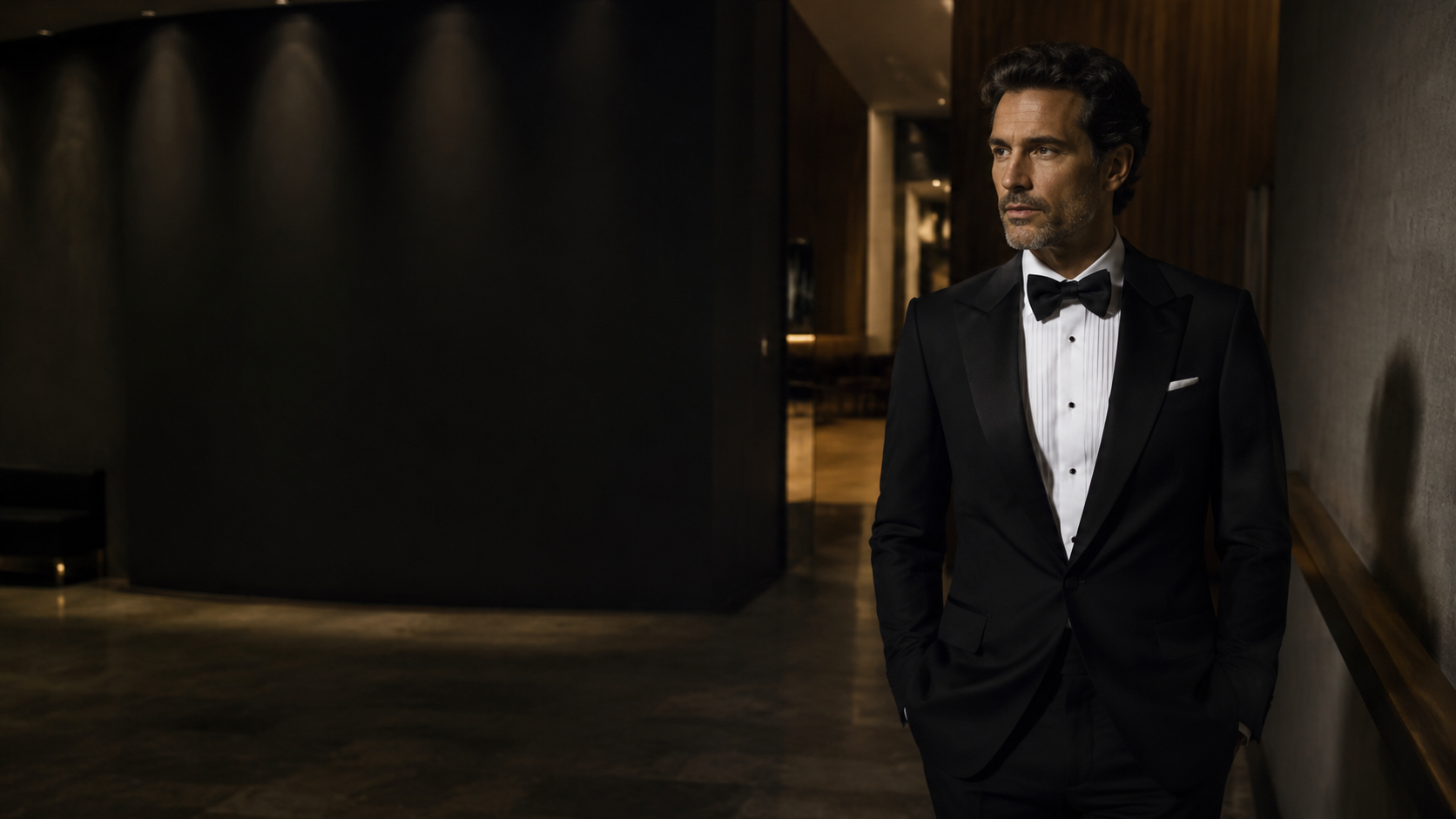
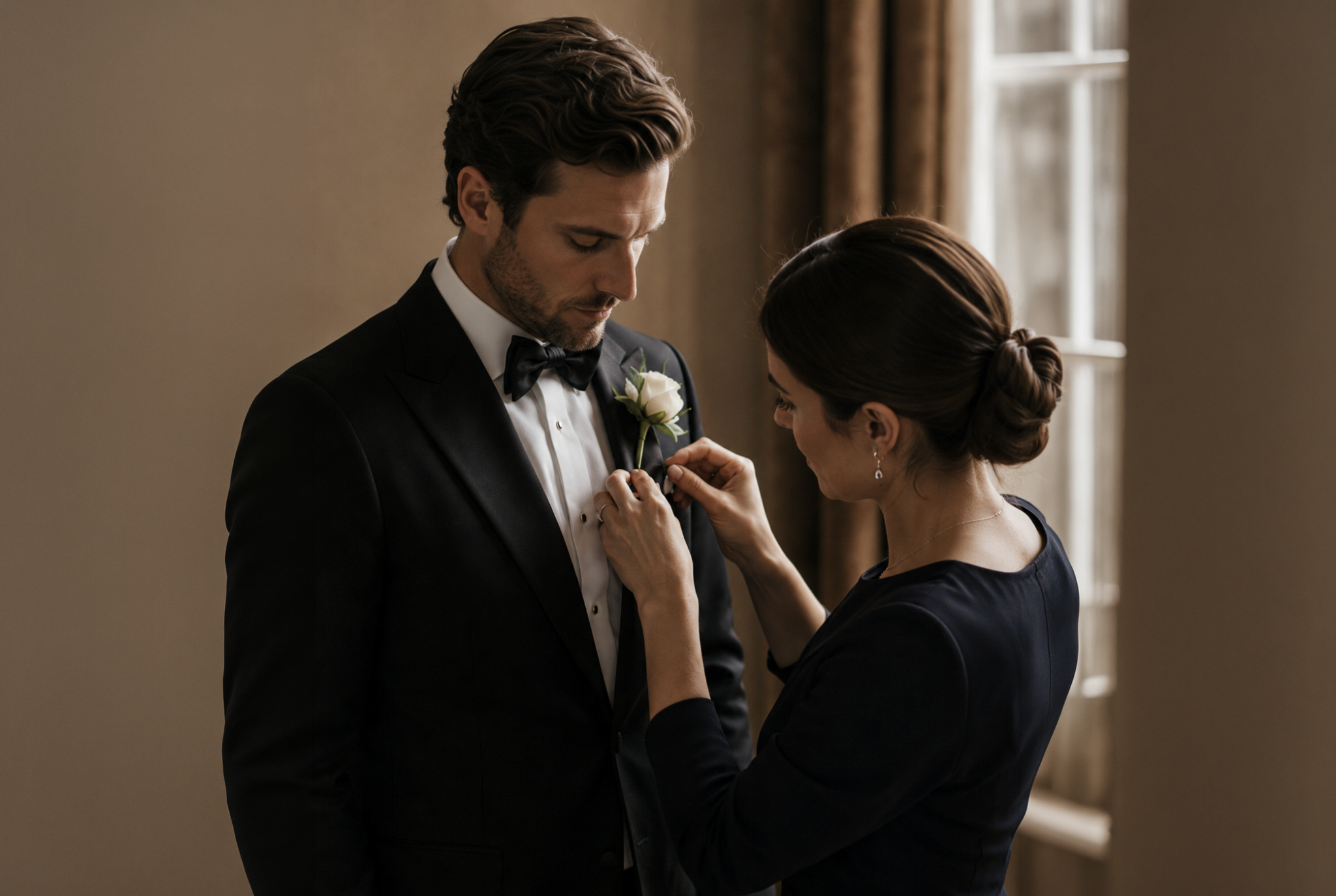
Many men buy their wedding suit as if it only existed for a single day. That is exactly why it often stays in the wardrobe afterwards.
In this article, I show you what really matters when it comes to colour, fabric, cut and details if a wedding suit is to remain wearable after the wedding. It’s not about a compromise, but about a smart decision: festive for the big day and sensible for the years that follow.
Wedding suits after the wedding: why so many suits stay in the wardrobe
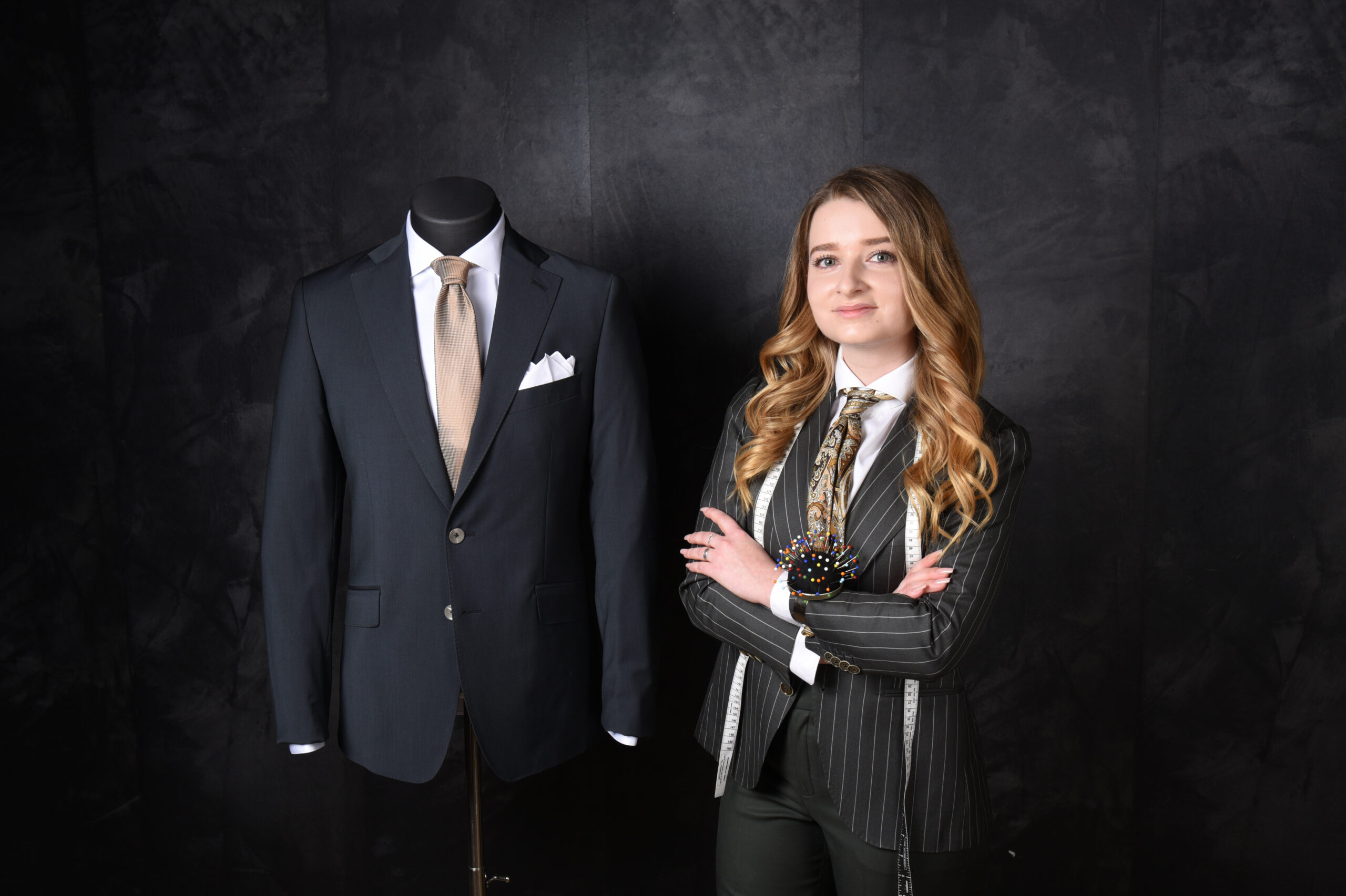
As managing director of Varazio I notice it again and again: the wedding suit is often bought with great anticipation but hardly worn after the wedding. The mistake starts with the selection. Many men only think about the ceremony, the photos and the first impression as they walk in. They ask themselves what will make an impact on that day – but not whether the suit will still look right in three years’ time.
That’s why I don’t see my work as a men’s outfitter as just a question of fabric and size. My advice is strategic. I want to know whether the suit will later be worn at another wedding, an important family celebration or in a professional context. A suit can look festive on the wedding day and still be suitable for the future. It doesn’t have to become a compromise – it can simply be planned sensibly from the start.
Many grooms make an emotional choice for an extraordinary look. That’s understandable – after all, you don’t usually get married every year.
It becomes difficult when a suit is actually intended for many occasions, but because of its special design only really works on the wedding day. A champagne-coloured three-piece can look fantastic in wedding photos, but in everyday life it can quickly look over the top.
Made-to-measure doesn’t solve this problem automatically, but it allows us to make the right decisions deliberately. The greatest advantage isn’t just that a suit fits perfectly once. What matters is that the colour, fabric, lapels, buttons, lining and cut are chosen with intent.
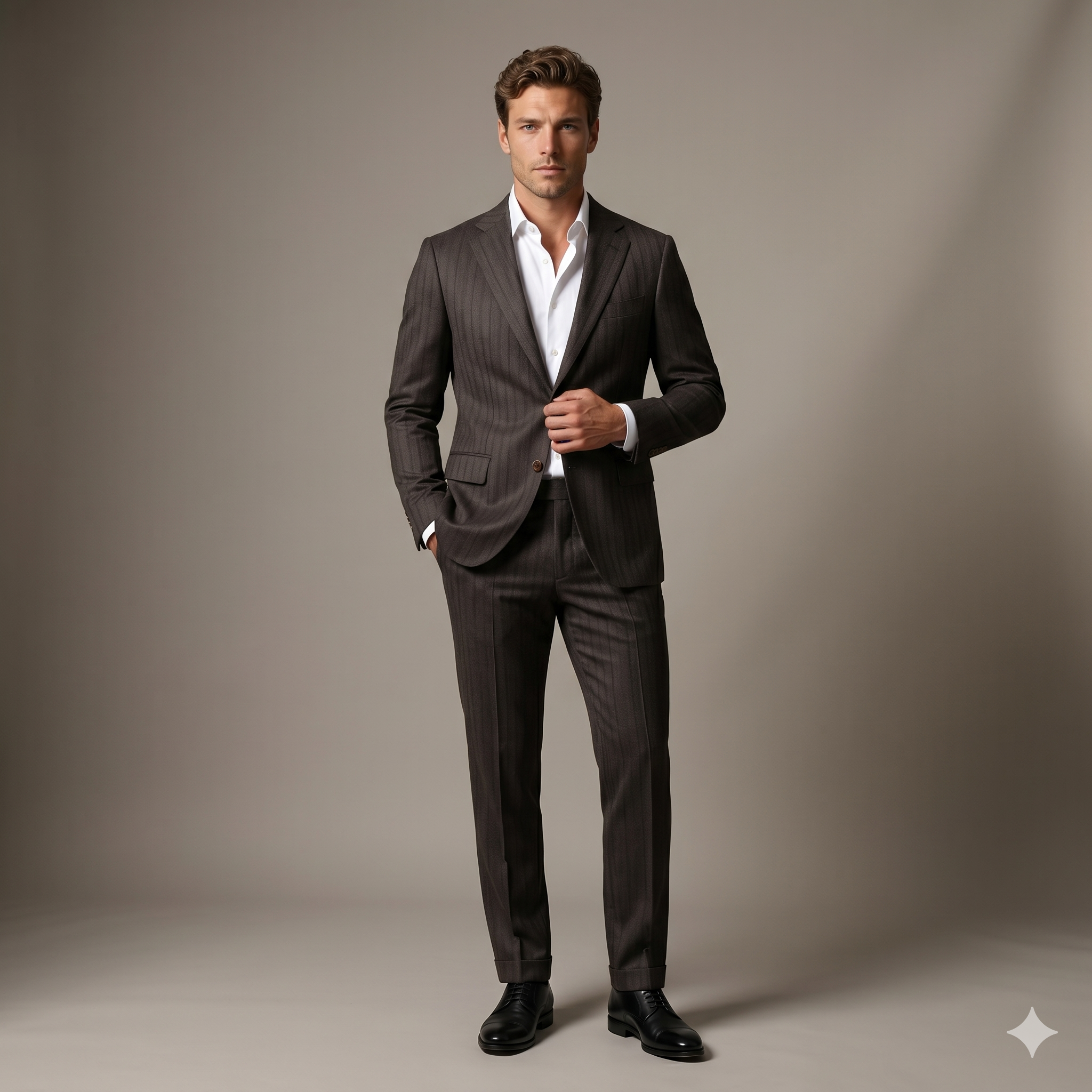
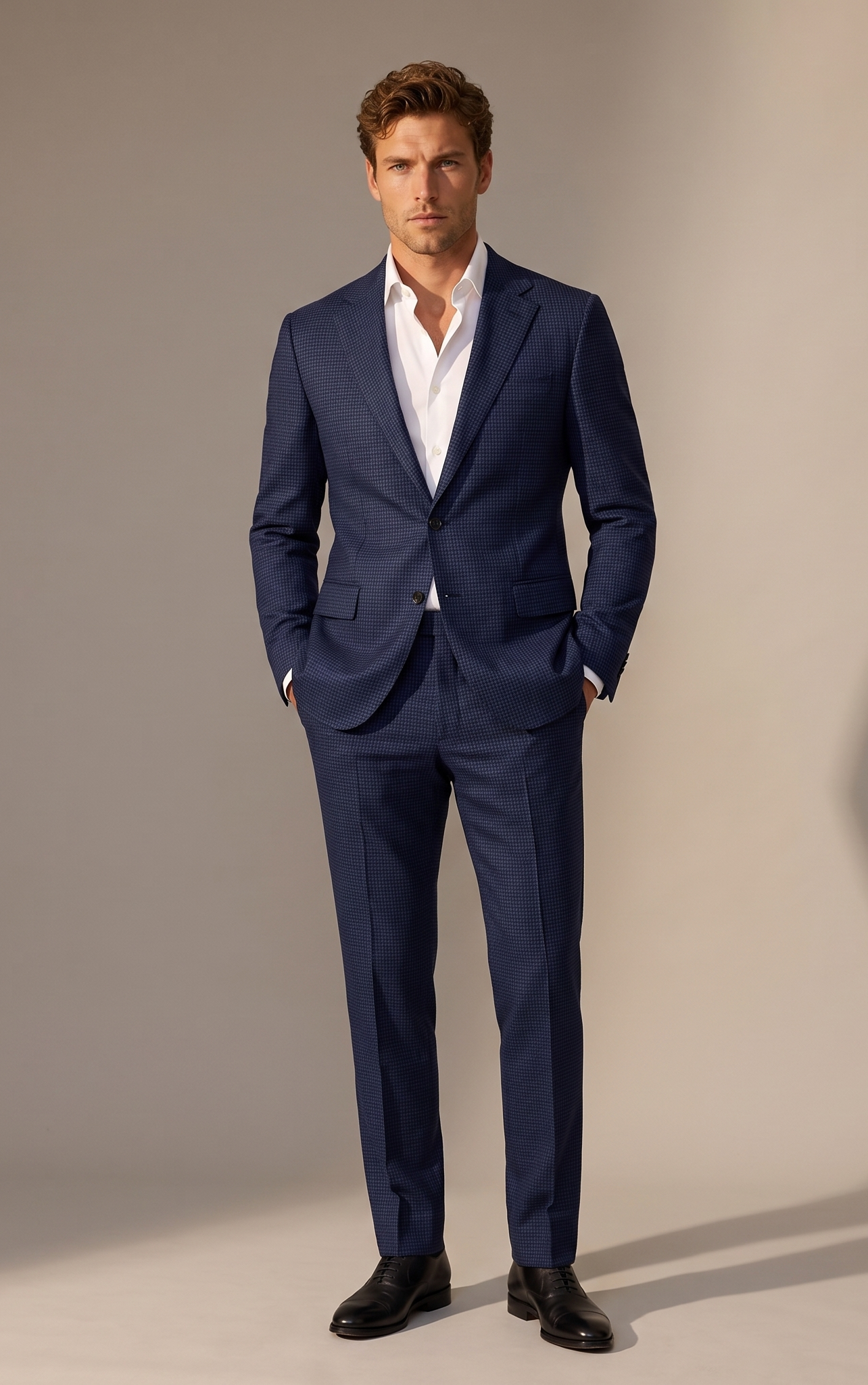
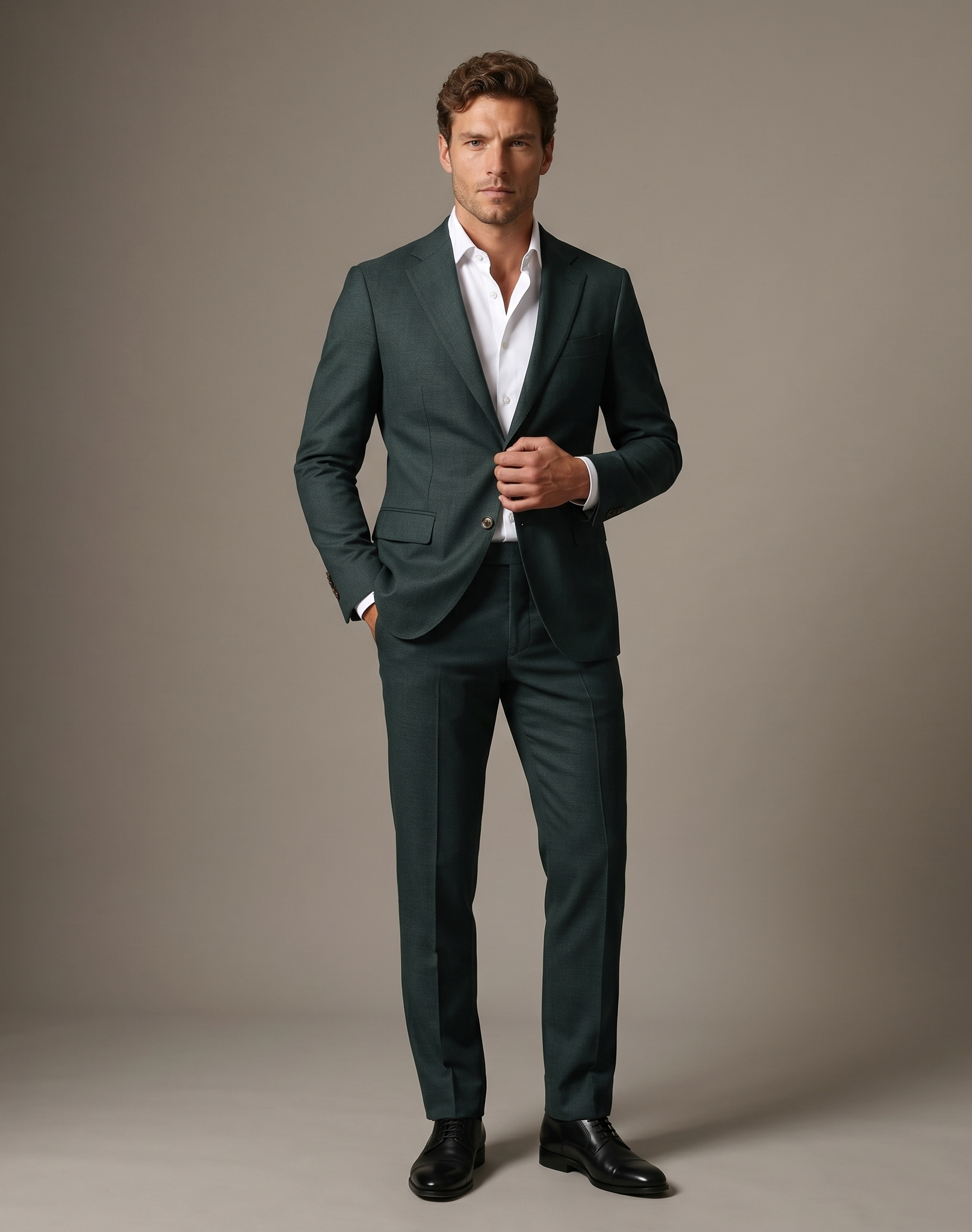
Colours for the wedding suit: which ones prove their worth after the wedding
Why navy and charcoal are particularly versatile
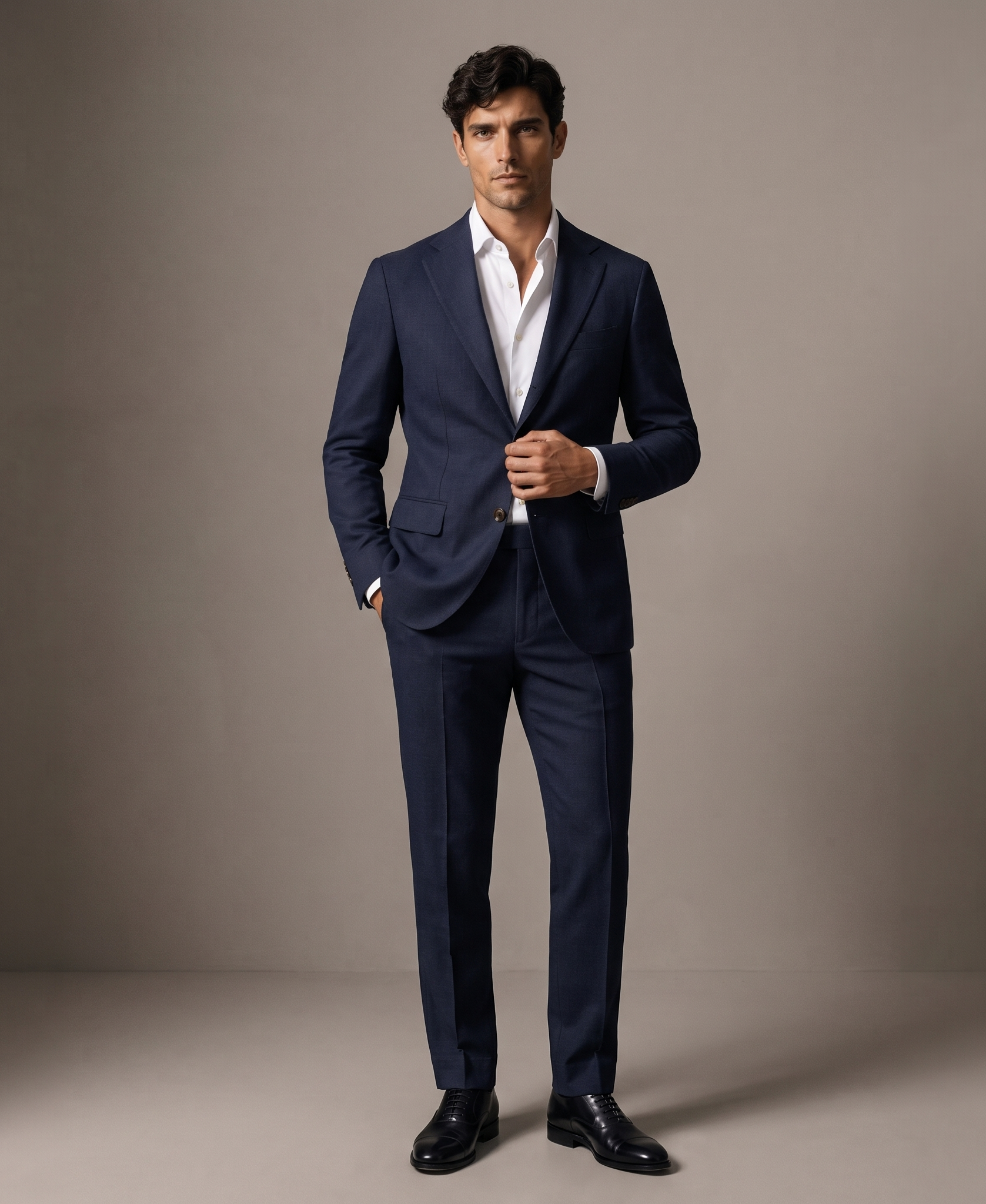
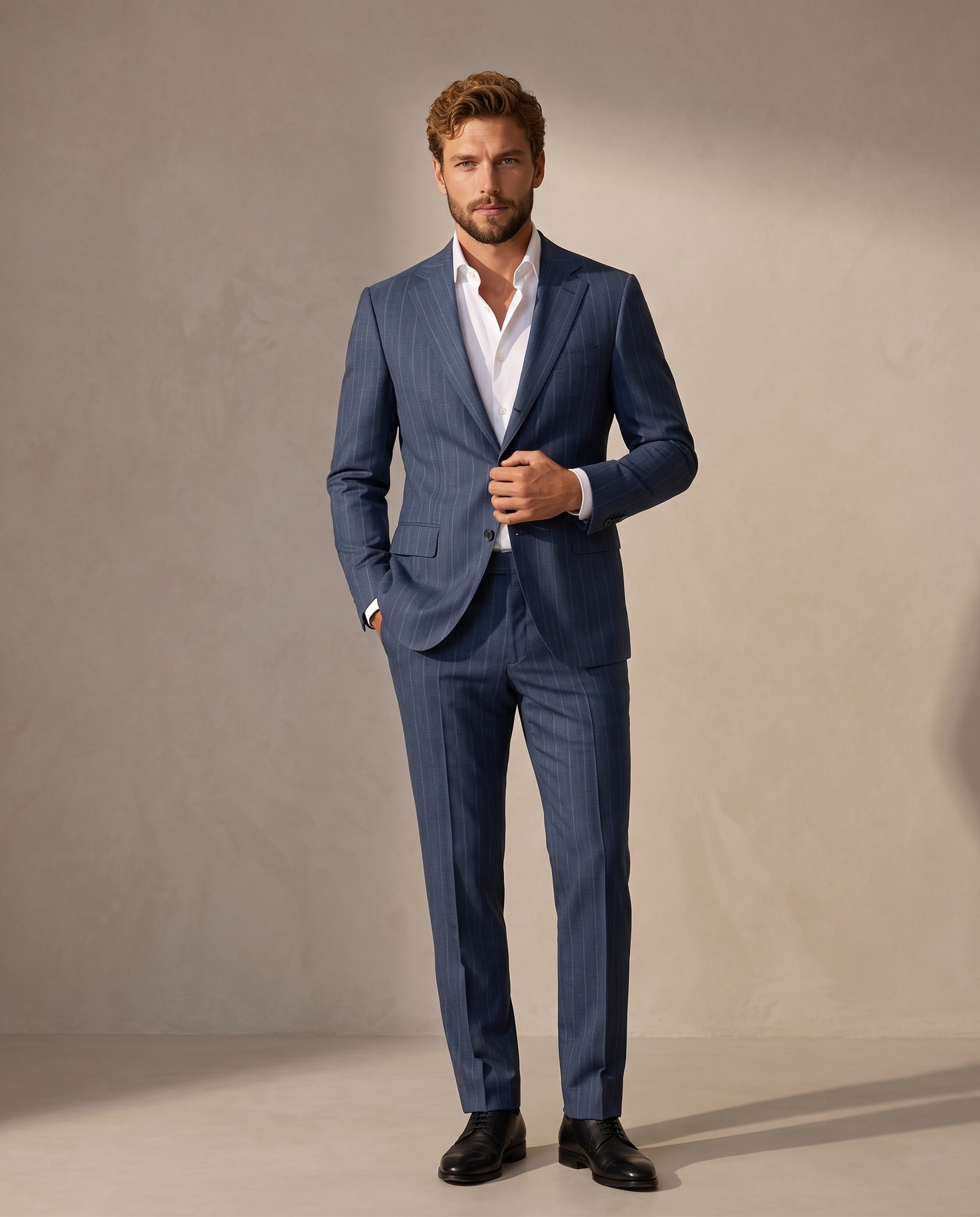
When men ask me which colour really proves its worth after the wedding, I often name navy and charcoal. For many, navy is the best choice. It looks festive enough for the wedding, but not as severe as black. What matters is that the fabric doesn’t have too much sheen. A matt or slightly textured fabric is considerably more versatile.
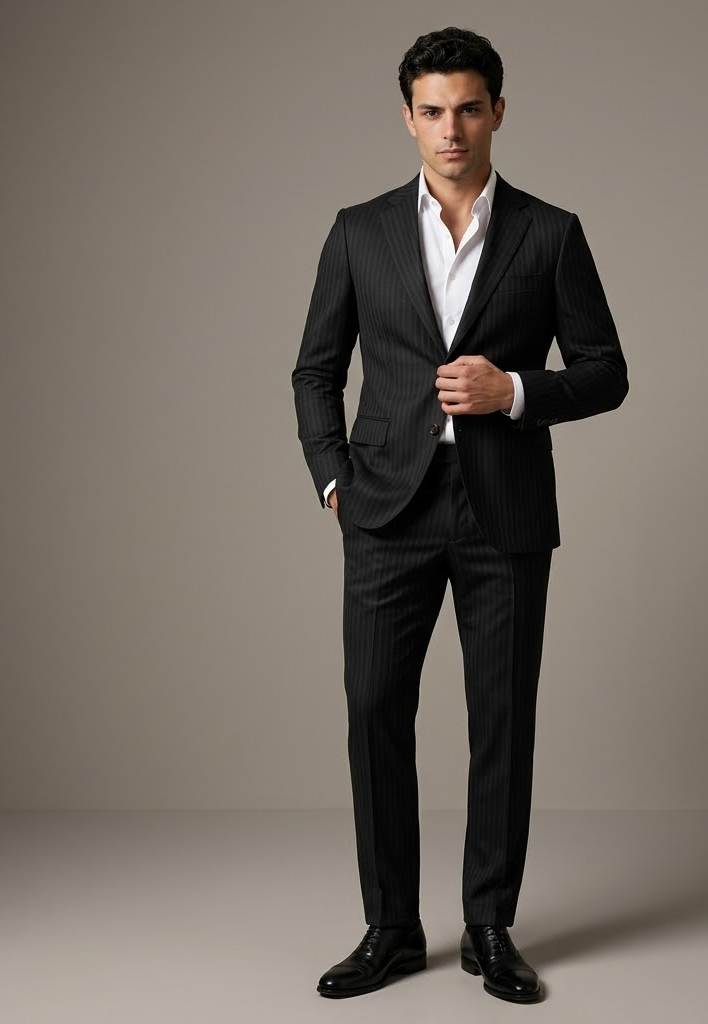
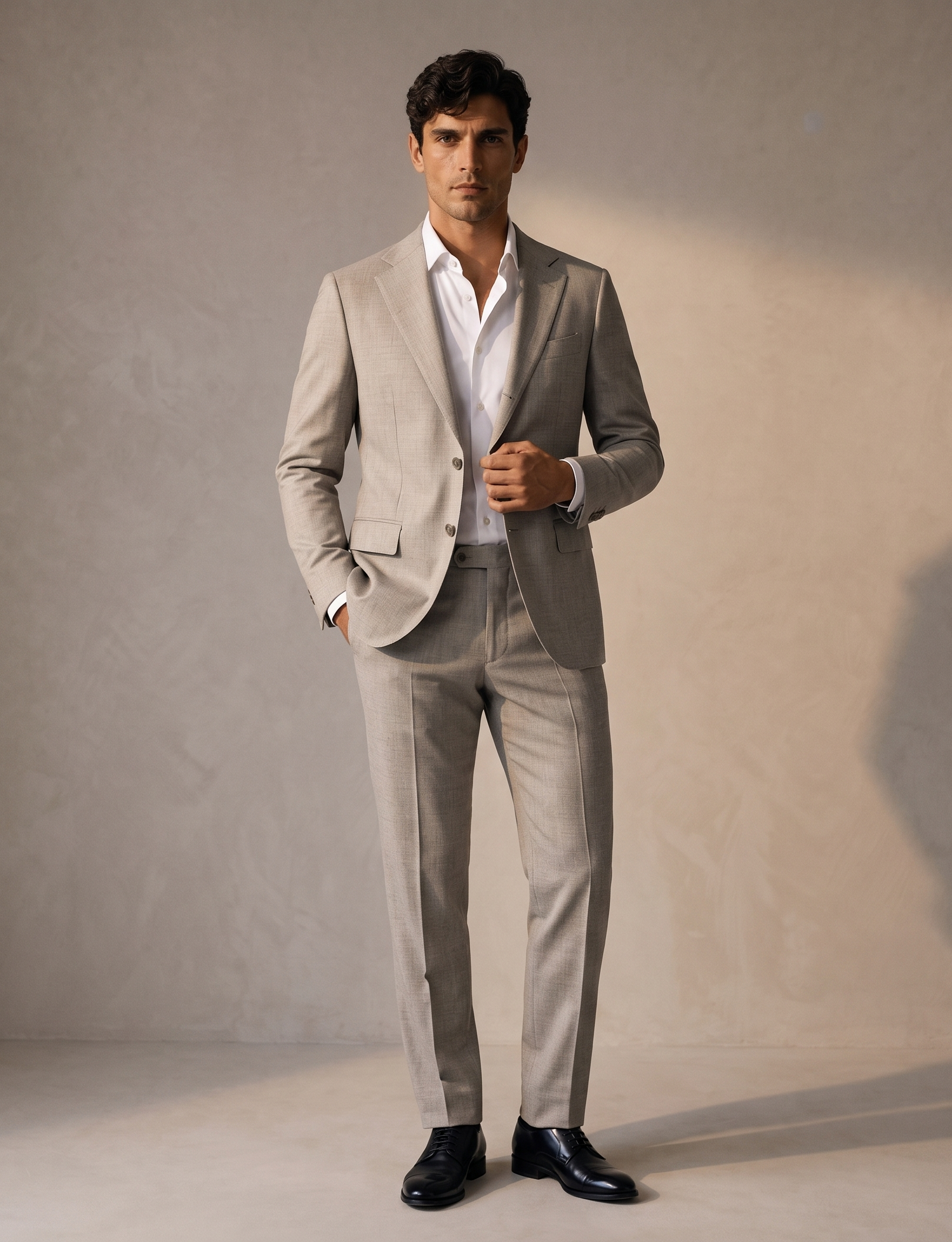
Charcoal makes particular sense if the suit is also to be worn in a professional setting. This colour looks serious, understated and grown-up. For the wedding, charcoal needs good styling decisions so that the look doesn’t come across as a classic office suit. Coordinating the accessories and the overall picture can help here.
I’d like to take away men’s worry that timeless means boring. A well-cut navy or charcoal suit can look far more striking than trend-driven looks. Distinction doesn’t come from colour alone, but also from proportion, fabric and well-judged details.
Important: of course, the wedding suit and the wedding dress should also suit the overall concept and colour palette of the wedding. You can find out how to get this right here in our article.
If you’re unsure about choosing a coherent concept for your wedding, an experienced wedding planner can help you.
When light and on-trend colours reach their limits
Beige, cream, sage, light blue or other light natural tones are not wrong in principle. They can look good especially at summer weddings, outdoor ceremonies or with Mediterranean themes. However, you should be aware that how often you can wear them later is often limited. They are frequently closely tied to that particular mood and are perceived as more seasonal.
That’s why I always ask one simple question in a consultation: should this wedding suit be a keepsake or a garment with a future? Both are legitimate. It becomes a problem, however, when someone believes they are buying something lasting, but chooses details that rule out further use – and yet a well-planned suit doesn’t have to disappear into oblivion after the wedding. With a smart choice, it can be there for many more special moments to come.
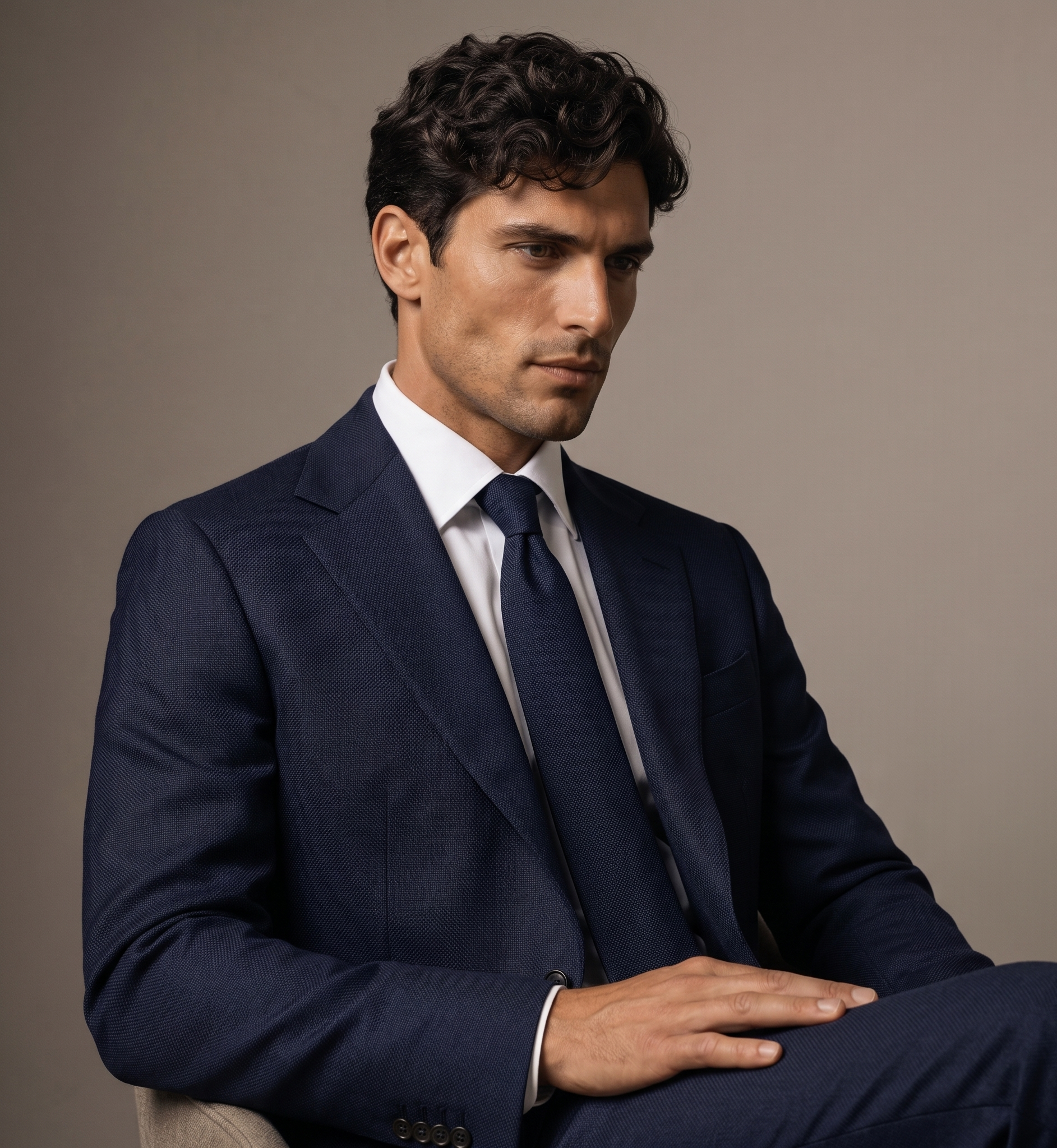
Made-to-measure: the foundation of a wearable wedding suit
Many men see the suit merely as an outfit for the ceremony, which is why their decisions are often spontaneous – materials such as shiny fabrics, eye-catching waistcoats or very light colours look impressive on the wedding day, but are harder to wear afterwards.
That’s why made-to-measure is more than just a question of fit. It is a system in which an existing base pattern is individually adapted.
Many aspects can be chosen specifically:
- Fabric
- Colour
- lapel width
- buttons
- lining
- proportions
This freedom is the real advantage. It isn’t just about the perfect fit for one day, but about sensible decisions for a wide range of occasions afterwards.
I therefore ask my clients one simple but important question early on: where should this wedding suit still be wearable in three years’ time? As soon as you start thinking about this, the choice changes. It’s then no longer just about what looks particularly striking next to the wedding dress, the flower arch and the photographer, but also about what still looks good without that setting later on.
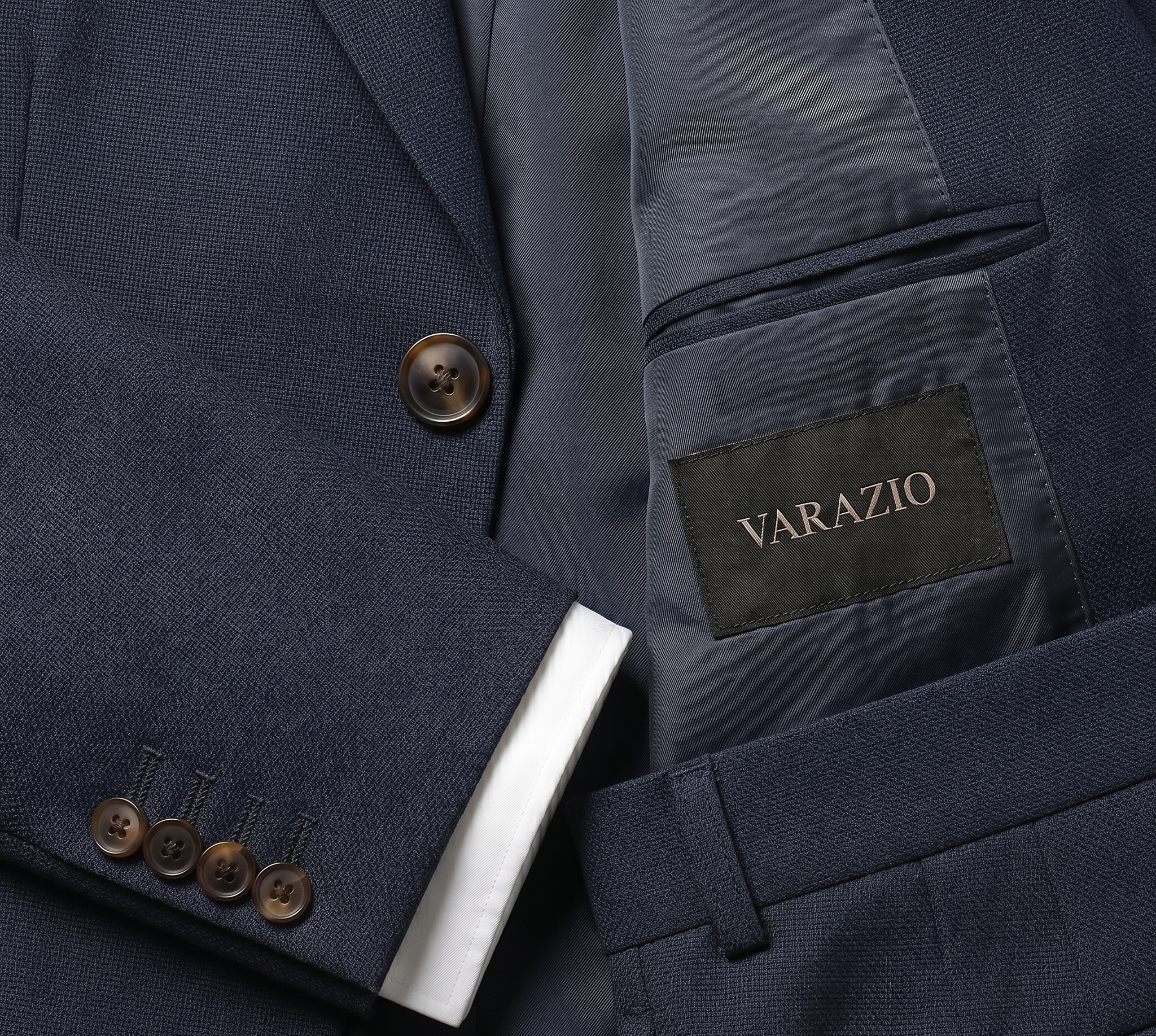
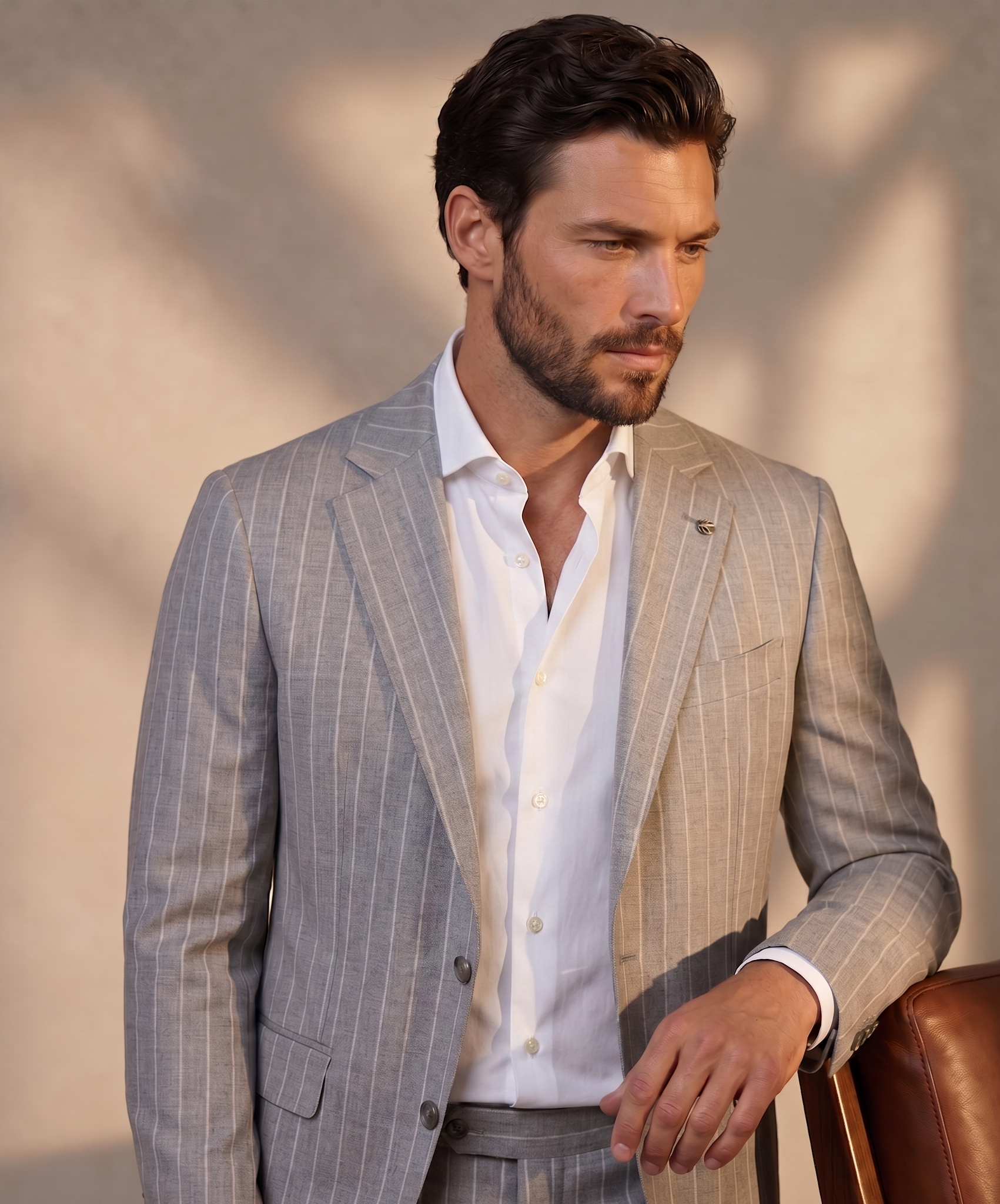
A smooth, shiny fabric quickly conveys an unmistakable wedding look. A matt fabric with texture or a fine weave can usually be worn more widely and looks more natural later on as a separate jacket.
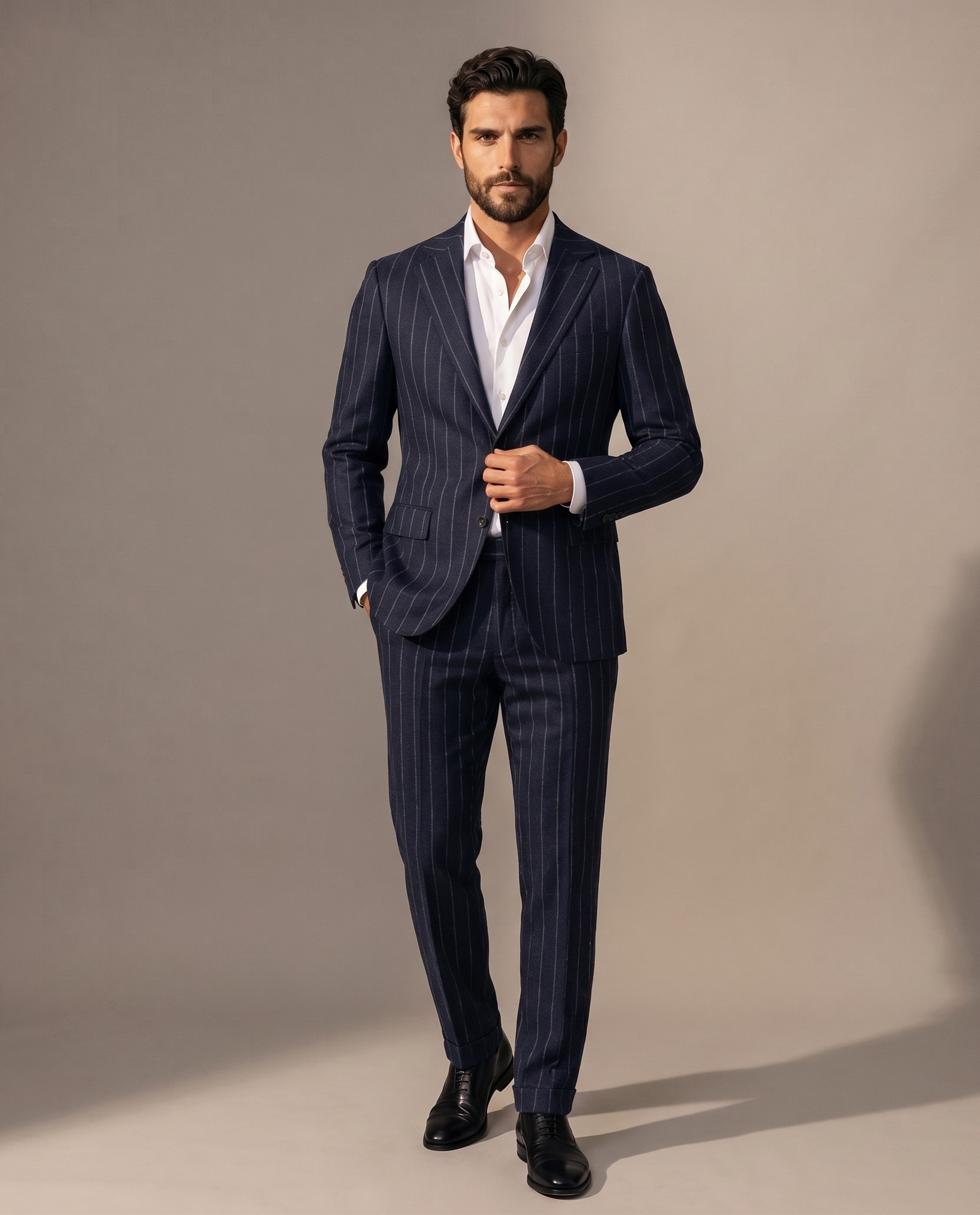
When it comes to the cut, I advise against planning around fashion if the suit is later to be worn at work or on other occasions. Extremely short jackets, skinny trousers or striking lapels lose their appeal more quickly. Good tailoring optimises a man’s proportions instead of over-emphasising trends.
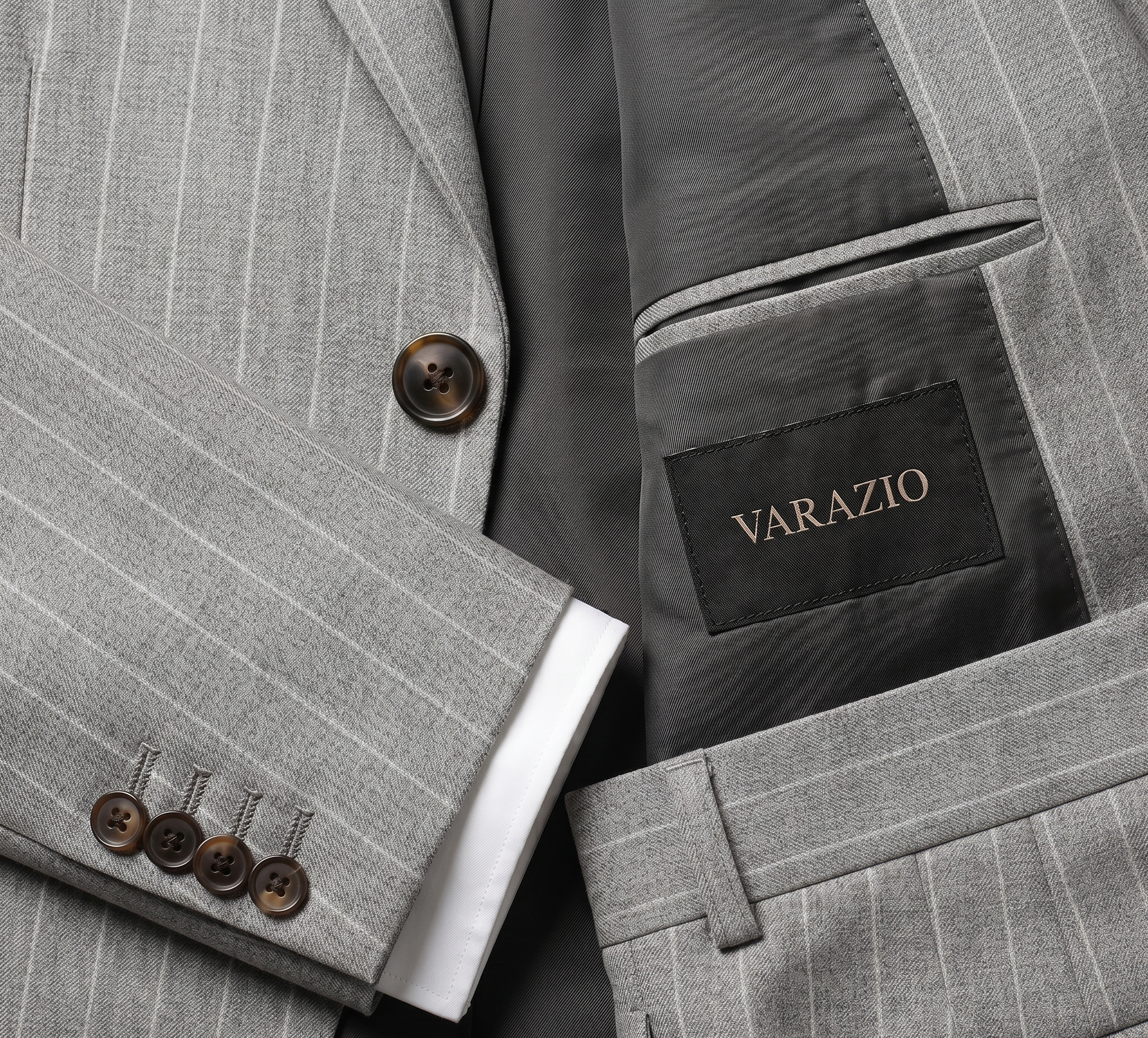
Many details seem small, but have a big effect. The waistcoat is a good example. On the wedding day, it adds festiveness. After the wedding, it can be left off, and the three-piece immediately looks much more relaxed. That’s why a well-planned three-piece is often more versatile than a two-piece. It’s a similar story with buttons. Matt horn buttons or understated versions last longer than very shiny or high-contrast ones.
A sense of proportion pays off with the lining, too. An individual lining or personal embroidery can give the suit character without making it look too unusual on the outside.
That’s why I don’t see my role as a men’s outfitter as merely taking measurements and placing orders. For me, advice means strategic thinking. We help with decisions that many men find hard to judge on their own. Which colour remains wearable, which details stand the test of time, which fabrics still look right later on and when does the look become too festive? For me, these questions are as much a part of the consultation as taking measurements.
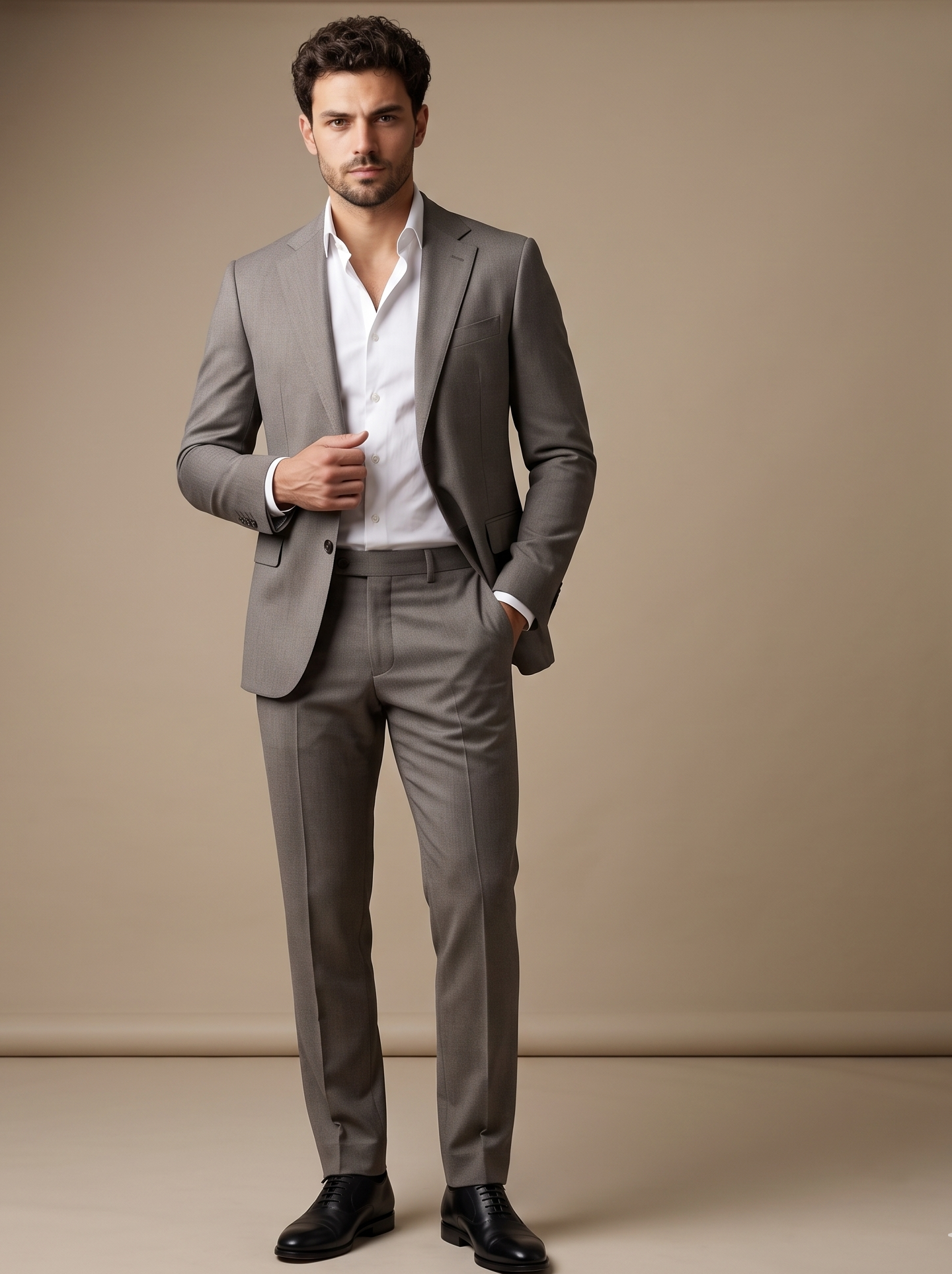
How can you keep using your wedding suit after the wedding?
Many men underestimate how often they will need a good suit after the wedding, too. Christenings, birthdays, Christmas parties, trips to the theatre, gala evenings or friends’ weddings come around faster than you think. So it’s an advantage to already have a high-quality suit in the wardrobe that fits well and doesn’t just look like it belongs to your own wedding day alone.
So that the suit doesn’t end up staying in the wardrobe after the wedding, it should be professionally cleaned and checked straight away. Small stains, sweat marks, loose buttons or alterations are otherwise often put off.
The advantage of a tailored suit is that later adjustments for changes in weight or preferences are usually quite possible.
This is also where the practical idea of sustainability lies: a suit that is worn regularly is better thought through than one intended for just one day.
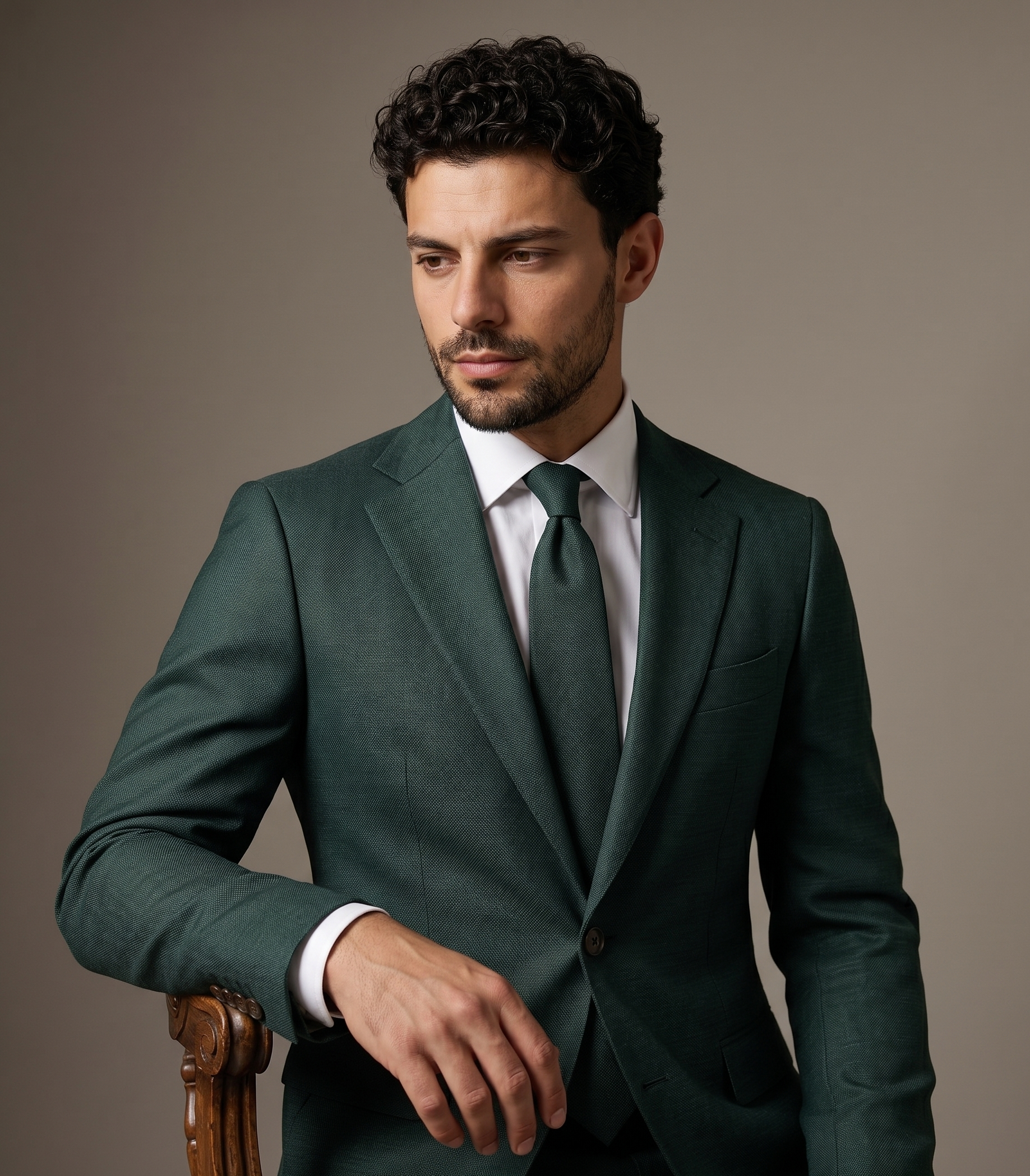
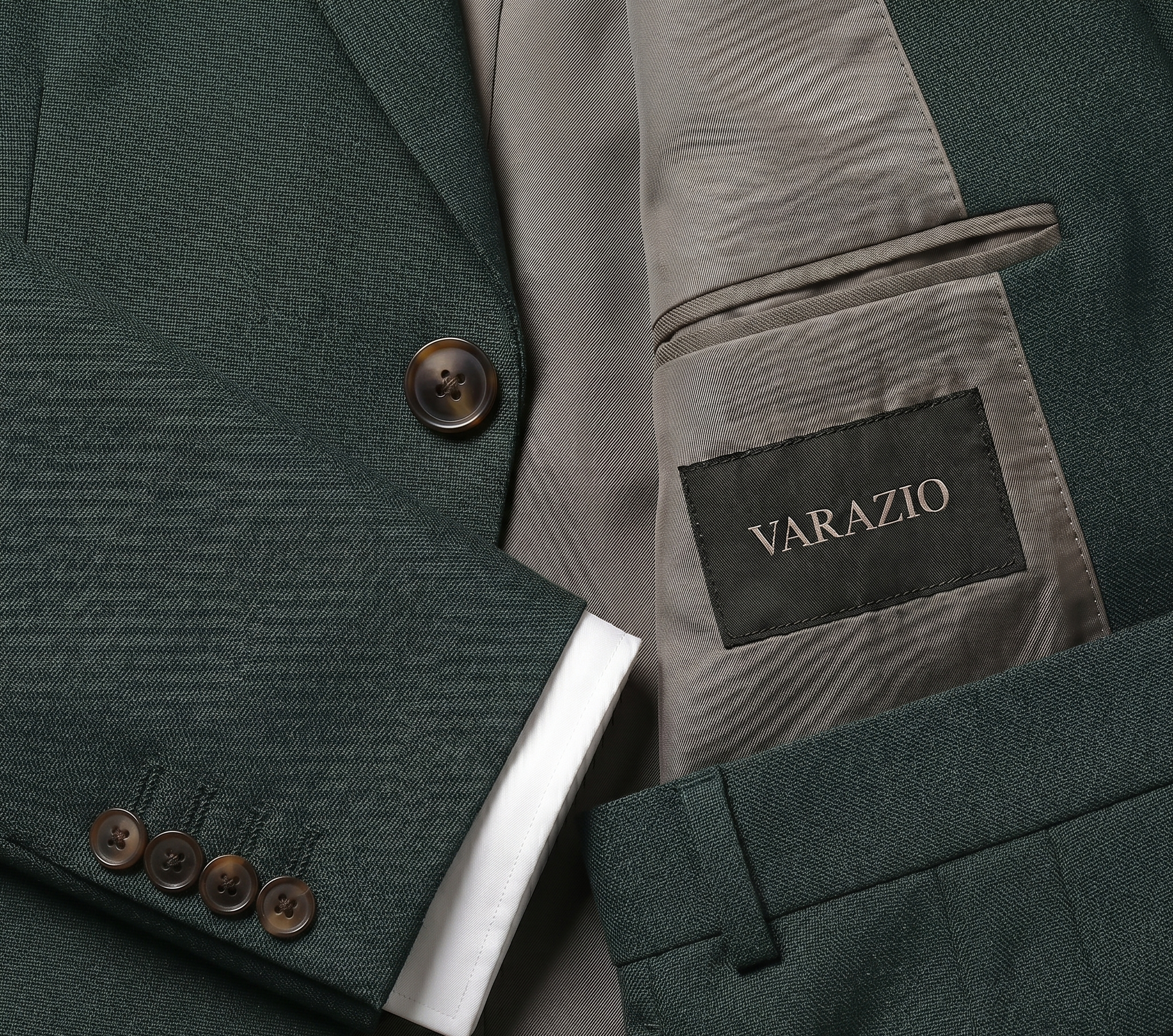
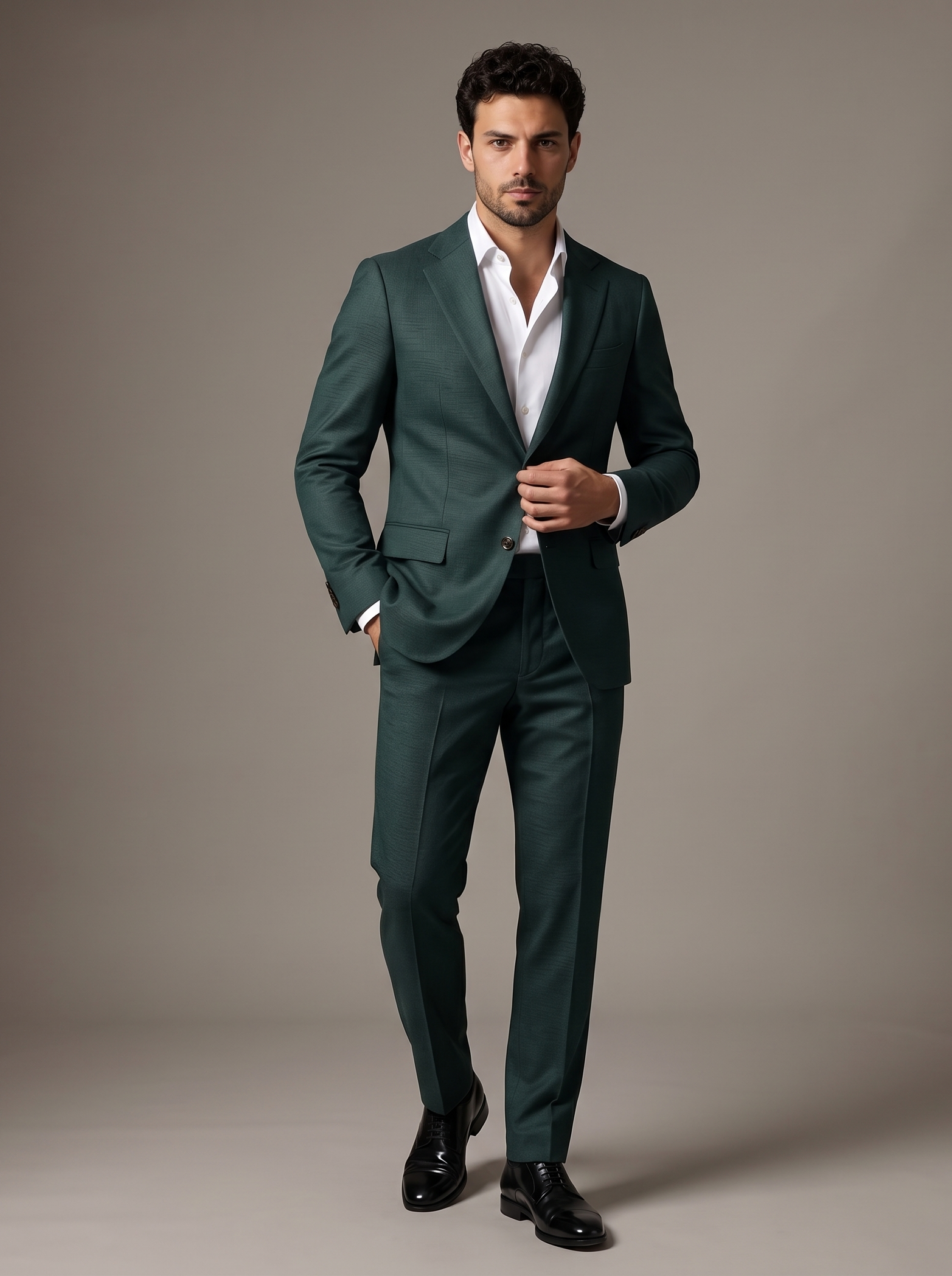
How the same wedding suit can look different again and again
Many men don’t keep wearing their wedding suit after the wedding because they only know it in its original version. They think of the combination of waistcoat, tie, pocket square and the shoes from the wedding day. Yet the same suit can be interpreted completely differently with just a few changes.
Changing the character of the suit with accessories
After the wedding, a wedding suit doesn’t have to be worn exactly as it was on the big day. Even small changes can alter its effect considerably.
If, for example, you leave off the tie, open the top shirt button or choose loafers instead of classic business shoes, you immediately look more relaxed. A different pocket square, a simple belt or a less formal shirt can also help the suit look far more suitable for everyday wear.
Many men underestimate the influence accessories have on the overall effect. The character of a suit often changes more through the right combination than through the suit itself.
Wearing the jacket and trousers separately
A well-planned wedding suit doesn’t always have to be worn as a complete suit. High-quality tailoring in particular makes it possible to integrate individual pieces flexibly into your wardrobe.
A jacket in a matt or slightly textured fabric can often be combined effortlessly with chinos, dark jeans or separate wool trousers. This creates a far more relaxed look without losing any elegance.
The suit trousers can also work on their own. Navy or charcoal trousers in particular combine well with a shirt, a fine knitted jumper or a roll-neck. The result is outfits that have nothing in common with the classic wedding look and still look refined.
That’s exactly why later versatility should already be considered when choosing the wedding suit. The more versatile the individual pieces are, the more often the suit will be worn after the wedding.
Frequently asked questions about the wedding suit after the wedding
How do I clean my wedding suit after the event?
I recommend that my clients have their wedding suit professionally cleaned straight after the wedding. Many men hang it in the wardrobe after the celebration and put off the cleaning. This can cause problems. Small stains, sweat marks, loosened buttons or tension in the fabric may go unnoticed and make the suit unappealing the next time it’s worn.
After wearing, the suit should be able to air out properly and shouldn’t stay folded in the garment bag. Professional cleaning ensures that the material, shape and colour are preserved.
Can I have my wedding suit altered?
Yes, in many cases that is possible. That is one of the strengths of tailoring. A good wedding suit isn’t just a garment for a single day. Fluctuations in weight, changing preferences or corrections to the trouser width, sleeve length or waist suppression are perfectly normal. That’s why, as a men’s outfitter, I don’t just think as far as the ceremony, but beyond it.
However, not all alterations are possible without limit. Made-to-measure offers more room than standard ready-to-wear, but it can’t work miracles.
How can I style my wedding suit after the wedding?
Small changes are often enough to make a wedding suit look much less festive. Many men later leave off the waistcoat or tie and combine the suit with different shoes or a more casual shirt. Individual pieces such as the jacket or trousers can also be worn independently. The more timelessly the suit was planned, the easier it is to adapt to different occasions.
Which colour should I choose for a versatile wedding suit?
If the wedding suit is also to be worn later on, I often recommend navy, midnight blue, a calm mid-blue or charcoal.
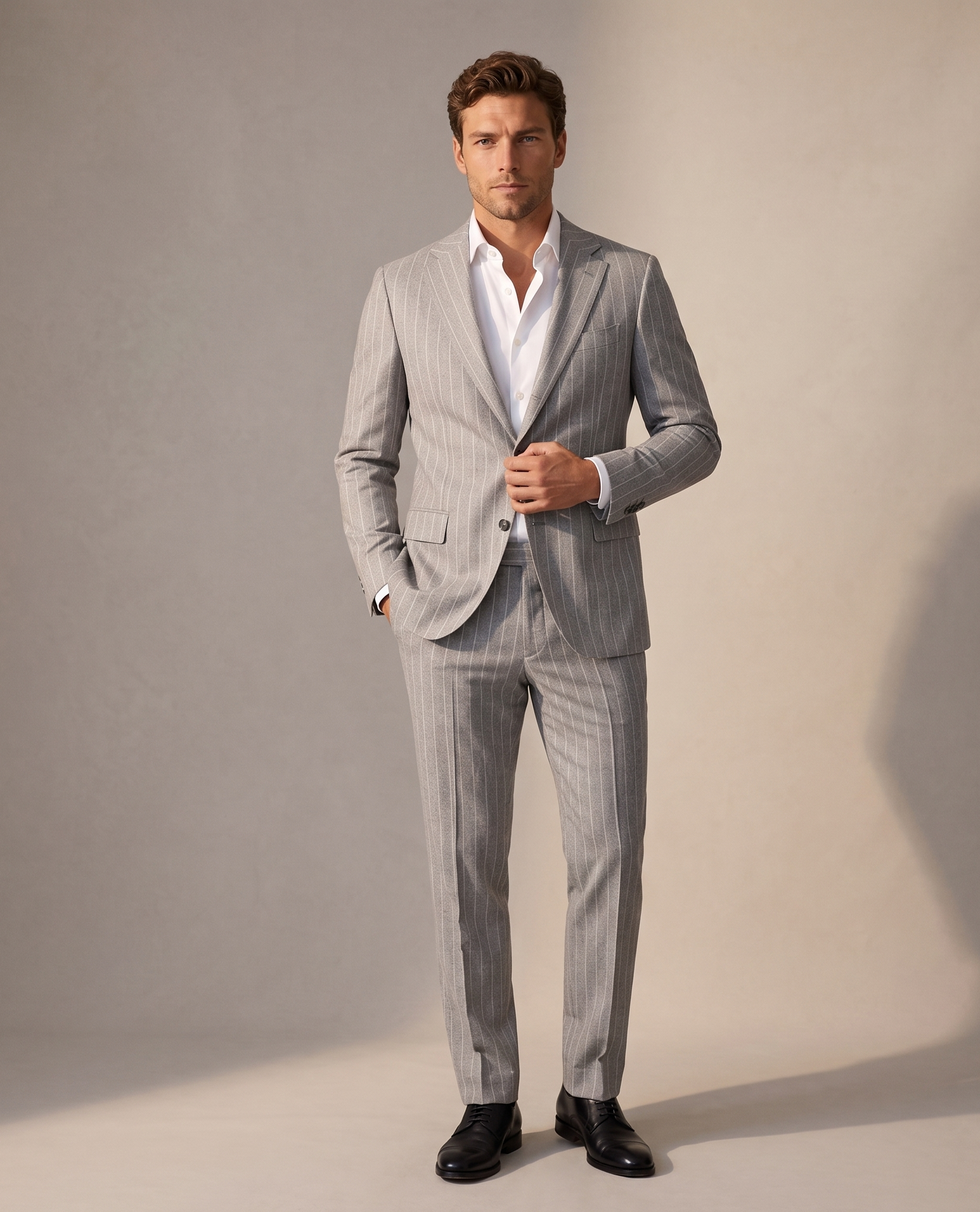
Conclusion: the wedding suit after the wedding – a companion for special moments
For me, the future of a wedding suit doesn’t begin after the celebration, but in the very first consultation. Many suits stay in the wardrobe because they were only intended for the moment of the wedding. Too festive, too light, too specific. The problem often arises right at the selection stage.
Not every man has to keep wearing his wedding suit. If you want a particularly unique look on the day, you can of course have one. What matters, though, is making this decision consciously. If a suit is to be wearable in the future as well, it needs a balanced mix of festiveness and everyday suitability. Then it looks fantastic on the wedding day and still remains usable.
This is exactly where I see my task at Varazio. I don’t simply sell fabric and fit. I help men make decisions, decisions that many can’t make on their own. Which colours are wearable, which details age well, where does the look become too formal and how can the suit be recombined later? With clear planning, the wedding suit remains part of life’s important moments even after the wedding.